
Morgan Leigh Explains the Law
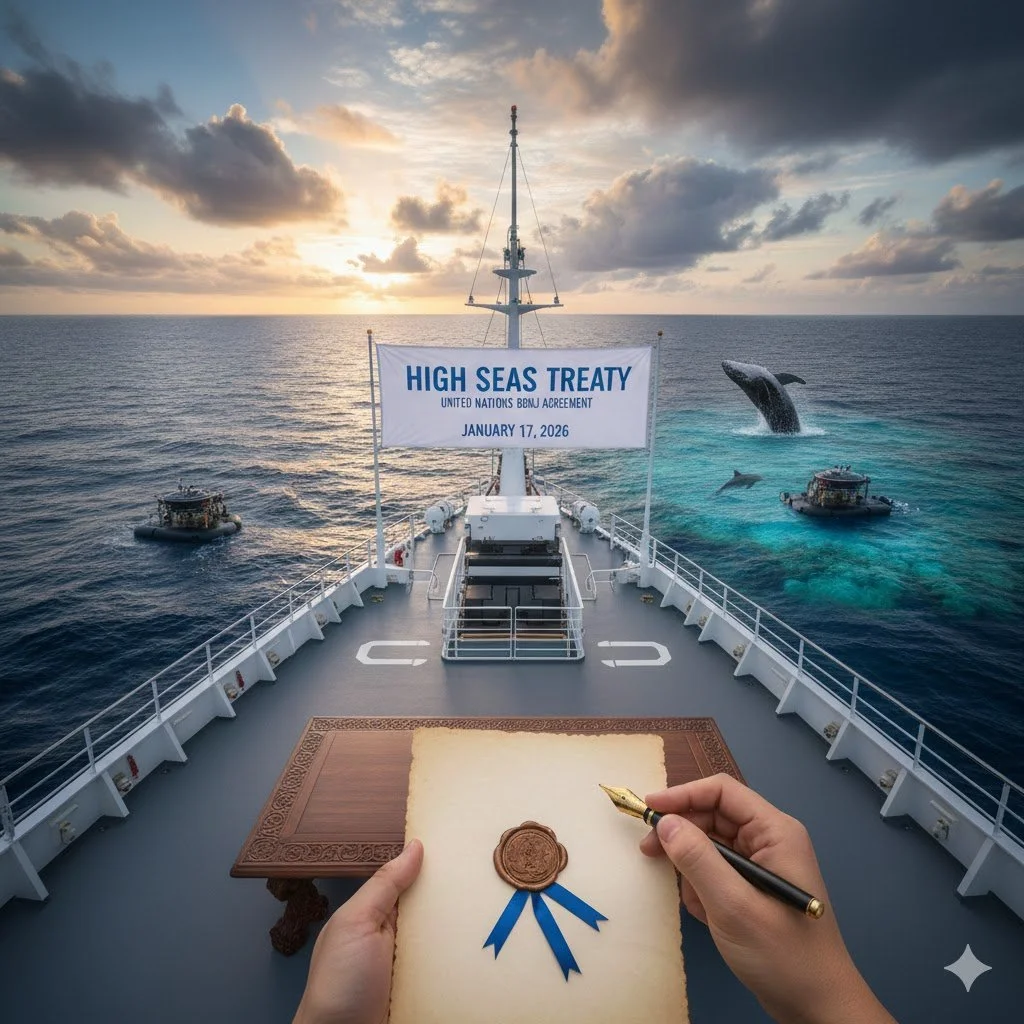
Charting a New Course: The High Seas Treaty and the Future of Ocean Governance
For decades, the vast expanse of the "High Seas"—the two-thirds of our global ocean that lies beyond national jurisdiction—was largely a legal vacuum. Often dubbed the "wild west of the ocean," these waters faced escalating threats from overfishing, pollution, and the emerging exploitation of deep-sea resources, all without a unified framework for protection. This began to change with the arduous, multi-year journey towards the International High Seas Treaty, formally known as the Biodiversity Beyond National Jurisdiction (BBNJ) Agreement.

Why EPA Chose Not to Repeal the PFAS Drinking Water Rule (and What That Really Means)
PFAS, the so-called “forever chemicals”—have been under the regulatory microscope for years. PFAS stands for per- and polyfluoroalkyl substances. These are a large class of human-made chemicals that are resistant to water, oil, and heat. They are persistent in the environment and in human bodies (hence the nickname “forever chemicals”). In April 2024, EPA finalized the first nationwide drinking-water standards for several PFAS under the Safe Drinking Water Act (SDWA). In 2025, the agency—now under new leadership—floated rollbacks for parts of that package, including plans to rescind standards for certain newer PFAS and to extend deadlines for compliance.