
Morgan Leigh Explains the Law

Non-Violent Misdemeanors Can Prohibit You From Lawfully Possessing Firearms
This blog post explores the recent Maryland Supreme Court decision in Fooks v. State, analyzing its implications for Second Amendment rights and the ongoing legal debates surrounding firearm possession for individuals with certain criminal convictions. The U.S. Supreme Court declined to hear the case on appeal, leaving the Maryland Supreme Court’s decision in place.
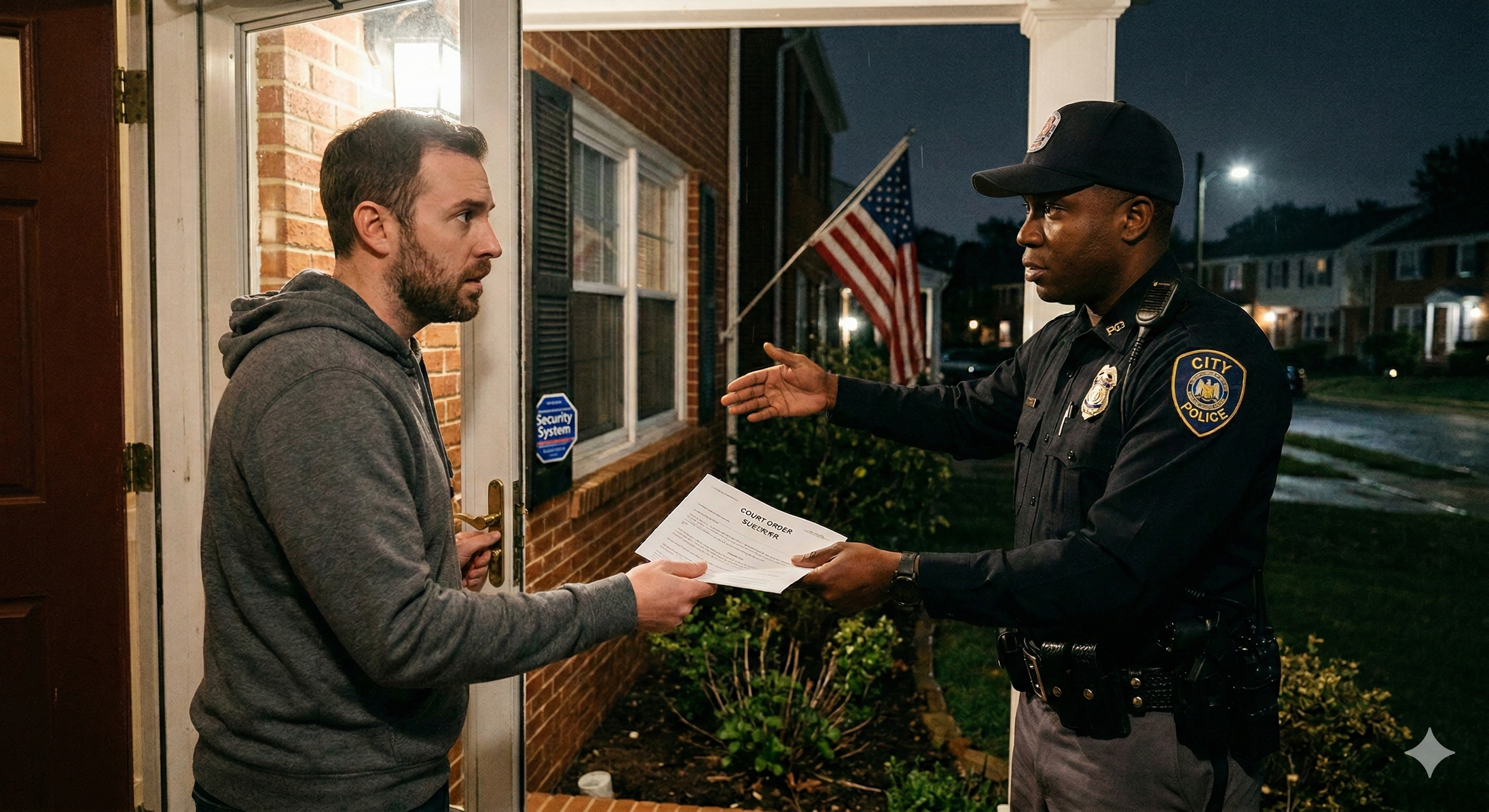
Proposed Changes to Maryland Protective Orders Making Their Way Through the Legislature During the 2026 Session
In the landscape of Maryland domestic violence law, things move quickly. For years, the timeline for obtaining a protective order has been a whirlwind: a petitioner files, a temporary order is served, and a final hearing is held—all within about seven days.
However, House Bill 497 (HB 497), introduced in the 2026 legislative session, proposes some of the most significant changes to this process in recent history. If passed, the bill—which would take effect October 1, 2026—will fundamentally change how both victims and the accused navigate the court system in the context of a domestic violence protective order.
Whether you are seeking protection or defending against an order, here is what you need to know about the proposed shifts in the law.
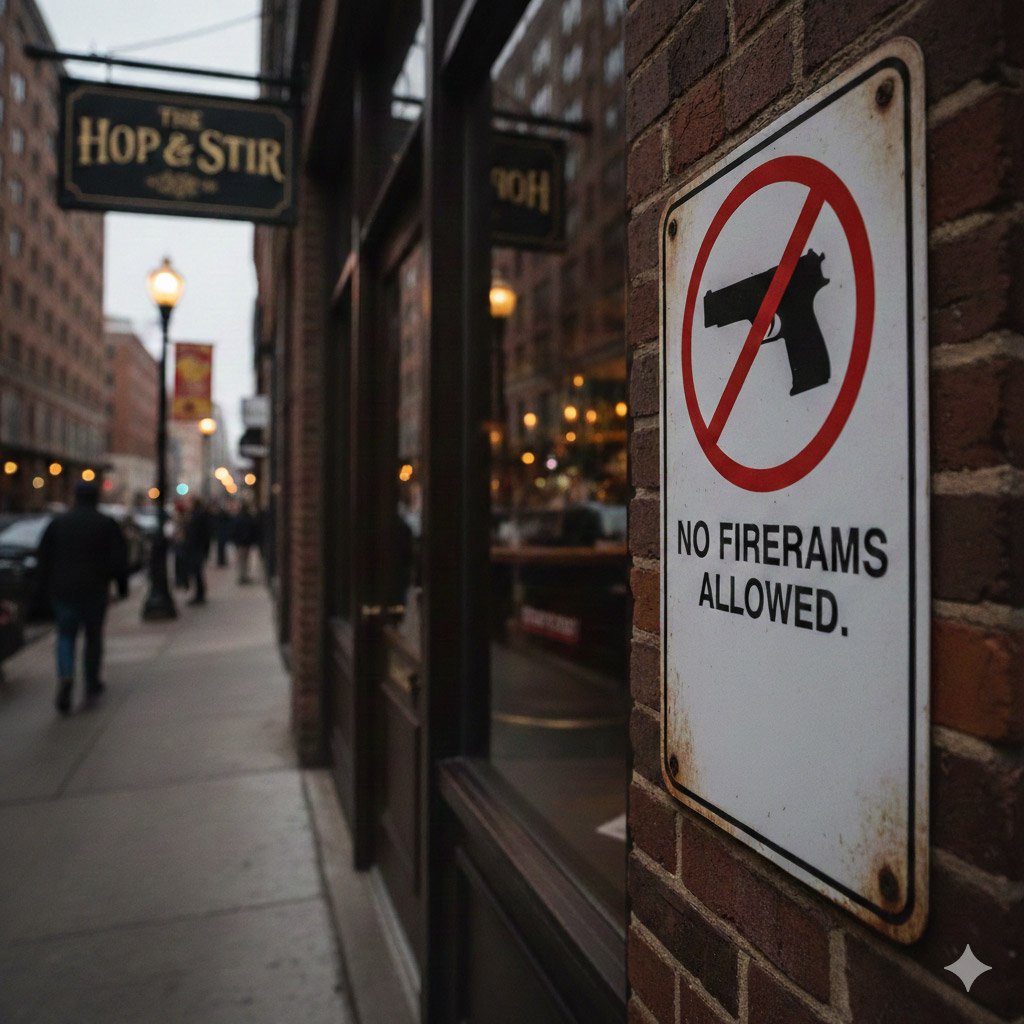
Fourth Circuit Upholds Maryland Handgun Restrictions
Since the Supreme Court’s landmark 2022 decision in Bruen, courts must use a "history and tradition" test to evaluate gun laws. To justify a restriction, the government must show that the law is consistent with the nation’s historical tradition of firearm regulation.
In response to Bruen, Maryland imposed restrictions on where handguns can be carried based on the idea that certain locations are so sensitive that firearms can be banned there without violating the Constitution. In this case, Maryland defended various bans by labeling a wide array of locations as "sensitive".

Revenge Porn Now Includes AI Images in Maryland
Prior to the enactment of SB 360, which went into effect on July 1, 2025, § 3-809 was primarily designed to address "revenge porn"—the distribution of authentic, private images captured during a relationship. The law required the image to depict an actual, identifiable person. In response to loopholes exploited with AI technology, SB 360 expands the definition of “visual representation” to include a computer-generated image that an ordinary person would conclude depicts a real, identifiable person.

Charting a New Course: The High Seas Treaty and the Future of Ocean Governance
For decades, the vast expanse of the "High Seas"—the two-thirds of our global ocean that lies beyond national jurisdiction—was largely a legal vacuum. Often dubbed the "wild west of the ocean," these waters faced escalating threats from overfishing, pollution, and the emerging exploitation of deep-sea resources, all without a unified framework for protection. This began to change with the arduous, multi-year journey towards the International High Seas Treaty, formally known as the Biodiversity Beyond National Jurisdiction (BBNJ) Agreement.
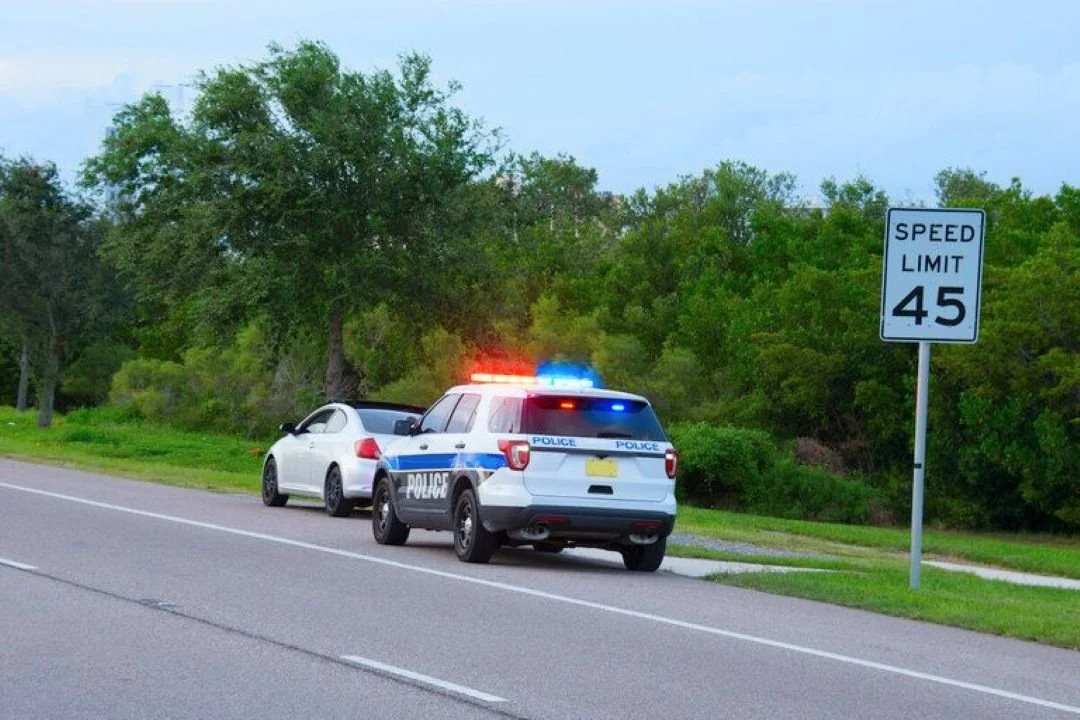
Maryland’s New Incarcerable Reckless Driving Law
On October 1, 2025, Maryland’s “Sergeant Patrick Kepp Act” took effect, reshaping the state’s treatment of reckless, negligent, and aggressive driving. The biggest headline: reckless driving is now a jailable offense and includes a bright-line speed threshold. These changes are codified in amendments to Md. Transp. § 21-901.1, alongside related updates to the point system and aggressive-driving provisions.
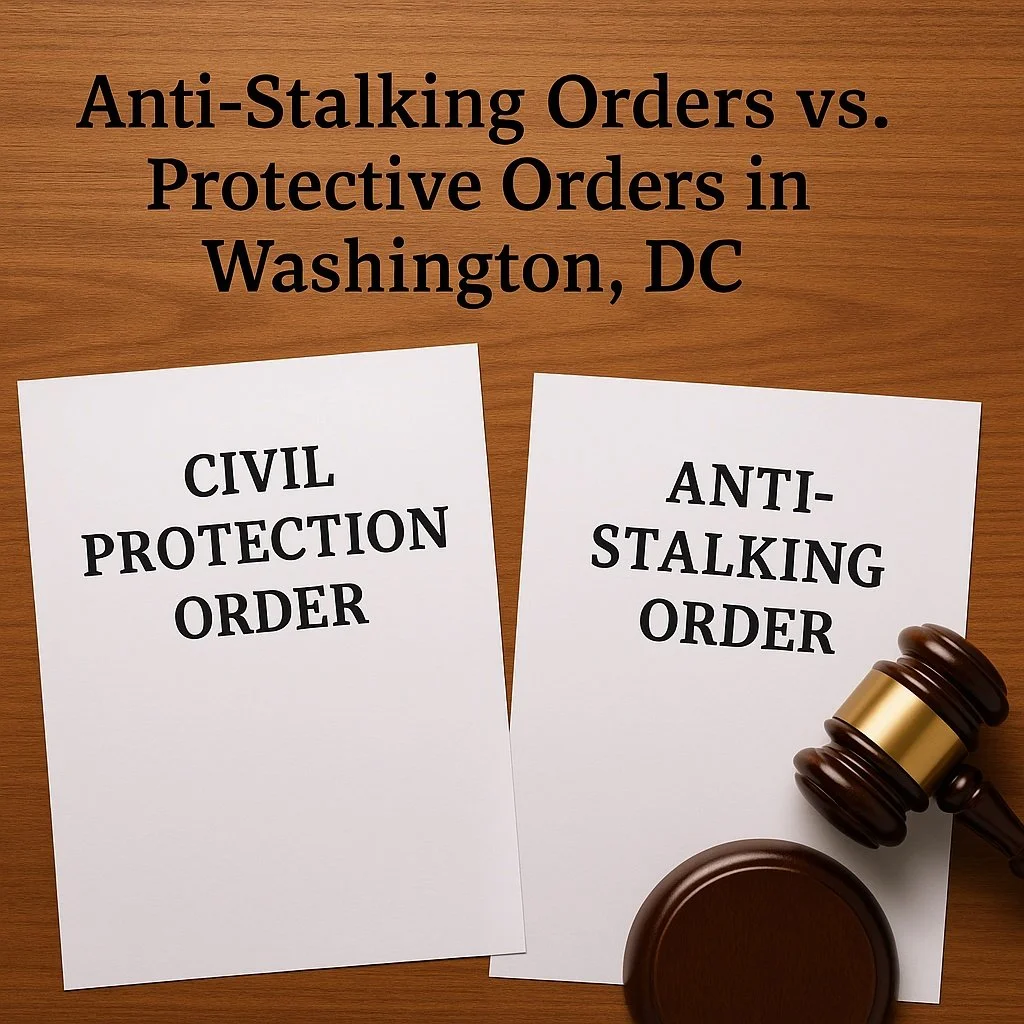
Anti-Stalking Orders vs. Civil Protective Orders in Washington, DC: What You Need to Know
The difference between a civil protection order (CPO) and an anti-stalking order (ASO) in DC is based upon the relationship between the parties. Both offer relief from threatening, harassing, and stalking behavior, but a civil protection order can be issued on a wider array of conduct than an anti-stalking order. In this blog, I discuss the differences between a CPO and an ASO.

Why EPA Chose Not to Repeal the PFAS Drinking Water Rule (and What That Really Means)
PFAS, the so-called “forever chemicals”—have been under the regulatory microscope for years. PFAS stands for per- and polyfluoroalkyl substances. These are a large class of human-made chemicals that are resistant to water, oil, and heat. They are persistent in the environment and in human bodies (hence the nickname “forever chemicals”). In April 2024, EPA finalized the first nationwide drinking-water standards for several PFAS under the Safe Drinking Water Act (SDWA). In 2025, the agency—now under new leadership—floated rollbacks for parts of that package, including plans to rescind standards for certain newer PFAS and to extend deadlines for compliance.

Important in an age of protests: D.C. Court of Appeals Clarifies Jury Instructions for Unlawful Entry on Public Property
In a major decision further limiting firearm eligibility in the District, the DC Court of Appeals ruled in District of Columbia Metropolitan Police Department v. Paul Porter, that a person who received a probation before judgment (PBJ) in Maryland and subsequently expunged the case, could still be considered "convicted" under District law — and therefore disqualified from registering a firearm.

Maryland Court Expands Rights for People Seeking to Remove Criminal Convictions or Reduce Their Sentences
Often, the most difficult aspects of a criminal conviction are the long-lasting collateral consequences that follow a person long after the sentence has been completed and the debt to society has been repaid. On July 13, 2025, the Maryland Supreme Court took a step in the right direction to ensure that individuals who were not properly advised by their attorneys of their right to request a sentence modification within five years can petition the court to review the case. This blog discusses the change in the law and who is eligible to petition the court for a belated sentence modification, which can include striking and vacating the conviction altogether.

DC: Expunged Charges Can Still Disqualify Firearm Applicants in District of Columbia MPD v. Paul Porter
In a major decision further limiting firearm eligibility in the District, the DC Court of Appeals ruled in District of Columbia Metropolitan Police Department v. Paul Porter, that a person who received a probation before judgment (PBJ) in Maryland and subsequently expunged the case, could still be considered "convicted" under District law — and therefore disqualified from registering a firearm.

DC Second Chance Amendment Act of 2022 – Expansion of Criminal Record Sealing and Expungements in Washington, DC
The DC Second Chance Amendment Act expands opportunities for individuals with criminal records to have their records sealed or expunged, allowing them to rebuild their lives without the burden of past mistakes…